I come out and measure the cut myself
I come out for every estimate myself, look the slab or wall over with you and measure where the cut goes. I learned concrete working next to my dad, and I started this business in Balch Springs in 2023.
Need an opening in a slab, a trench line or a broken section out? We scan first, then saw clean, straight lines.
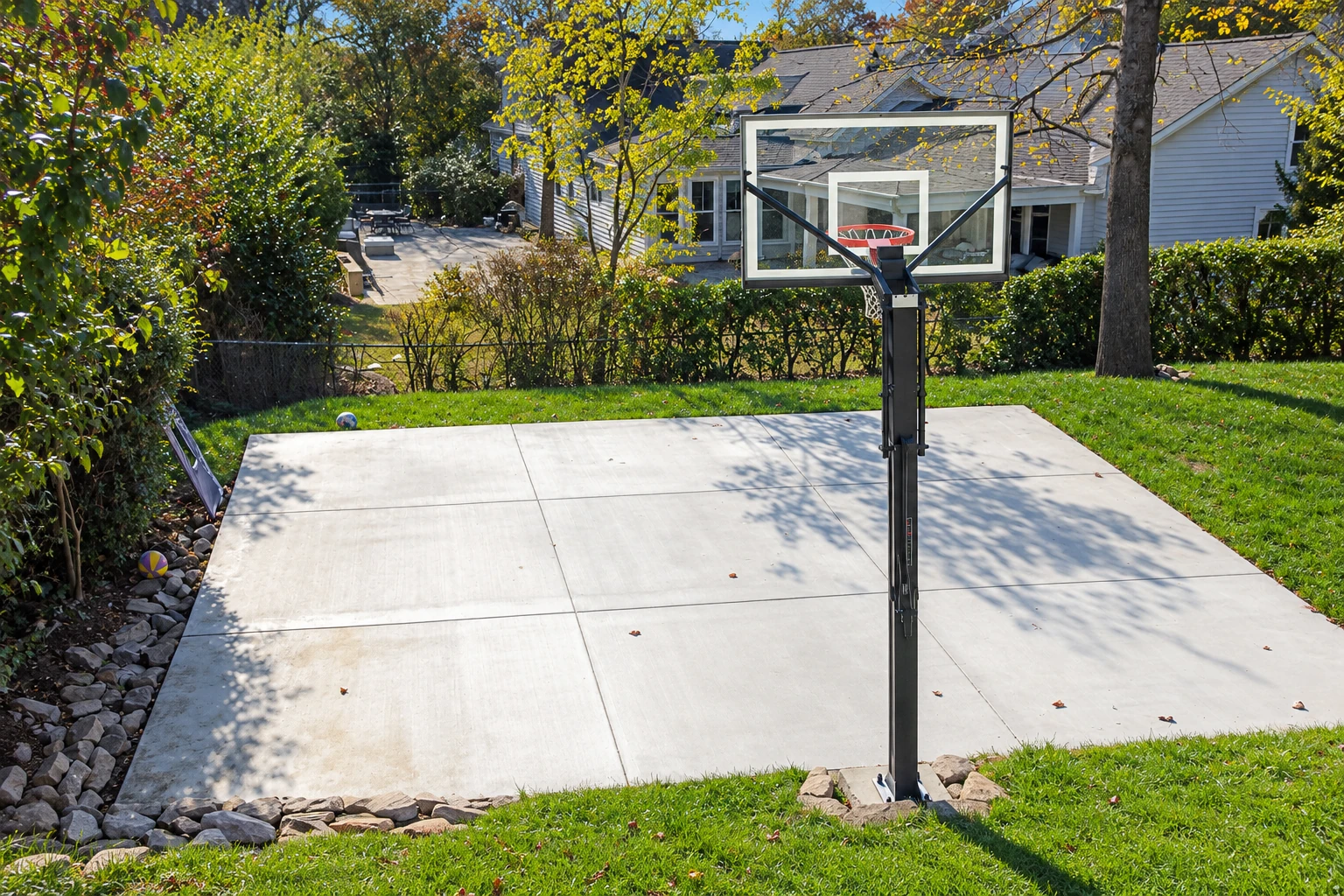
Concrete cutting in Balch Springs means sawing clean, straight lines through a slab or a wall. That lets you take out a broken piece of driveway, cut a trench for a pipe or open a doorway without breaking up everything around it.
Most calls start with something you can see. Maybe a section of driveway has sunk or cracked clean through, a patio is in the way of a new drain line, or you want a door where there's a wall. Cutting takes out just that piece along a line you choose, and it leaves an edge straight enough to pour against or frame into.
The price mostly depends on what's inside the concrete and whether you want the pieces taken away afterward. The schedule mostly depends on getting the slab scanned and, for work by the street, on the city's review. I can't tell you either one for your job until I've seen it, so I measure it at the estimate and write down what the price covers.
Here's who you deal with from the first call to the last sweep, so you know who shows up at each step.
I come out for every estimate myself, look the slab or wall over with you and measure where the cut goes. I learned concrete working next to my dad, and I started this business in Balch Springs in 2023.
You get the price in writing, with what it covers spelled out, so you can line it up against any other quote. Once you say yes, we set the cutting date around any permit or inspection the job needs.
I'm on site with our crew from setup through the cut and the cleanup, so the person who measured the job is the one watching the saw. We're licensed and insured.
Before the first cut, we have the slab scanned for steel, post-tension cables and live lines, and we mark what turns up so the blade stays clear of it. Then we match the tool to the work. That's a flat saw for slabs on the ground, a wall saw for walls, a hand saw for tight corners, a wire saw for very thick or heavily reinforced pieces and a core drill for round holes. We keep water on the blade the whole time, because wet cutting holds the dust down far better than dry cutting does. We also tell you up front whether breaking out the pieces and hauling them off is in our price, so you're never surprised by cut panels left sitting in your driveway.
A cut is often the first half of a bigger job. Once a sunken or cracked section is out, we can pour it back as part of our concrete driveway building work. A clean cut along an old slab is also how we tie in new concrete patio construction. Either way, I'd rather spend the time digging out and packing the subgrade, which is the dirt the new slab sits on, than on a fancy finish. A weak base is usually why the old piece sank, and it'll do the same thing to the new one.
Most of what decides how a cut turns out happens before the saw ever starts.
If you have structural drawings or post-tensioning records for the building, dig out the latest ones, because one scanning company advises reviewing them before the slab gets scanned. The same company says drawings are a useful start but aren't clearance on their own, so we still scan.
We lay out the lines on the concrete with you before anyone starts the saw, so you can see exactly what's coming out. Moving a line is easy at this point and can't be done afterward.
Outside, setup is mostly water and protecting what's around the cut. Indoors, the job needs water control, barriers and ventilation or dust extraction. That's part of doing it right, not an upgrade, and it's why indoor cuts usually cost more.
Once the cut is through, the panels either come out or stay in place, depending on what you chose at the estimate. Either way, you're left with straight edges that a new pour, a pipe or a door frame can meet cleanly.
Tell us where the cut is, what it goes through, about how long it runs, whether you want the pieces hauled off and whether you have any drawings. Send that through the form or call (214) 286-6733, and we'll reply within one business day to set a time for me to come out. The estimate is free, on site and comes with no obligation.
(214) 286-6733Saw cutting a concrete slab usually costs about $4 to $15 per linear foot across the US, and that covers the sawing alone. Thicker slabs and slabs full of steel land toward the top of that range, and wall cutting often runs higher. On a short cut, a minimum or trip charge can outweigh the per-foot rate, because the crew still loads up, drives out, sets up and cleans up. I'll measure your cut and write down what the price covers.
Not always, because sawing concrete and removing it are separate jobs, and some cutters leave the cut panels right where they are. Breaking up the concrete, hauling it off and disposing of it can cost more than the sawing itself, so ask about removal before you compare two quotes.
A scan shows where the rebar, post-tension cables and live conduit are before the blade hits them. Rebar is the steel bar that holds a slab together, and post-tension cables are steel cables stretched tight inside some slabs. Cutting one of those cables or a live electrical line can be deadly. One concrete cutting field guide calls scanning first its number-one rule.
The City of Balch Springs' driveway and flatwork permit requirements call for a site map showing the scope of the work, plus an HOA approval letter if your neighborhood needs one. If the cut breaks the curb, add a $5000 Pavement Surety Bond, so plan for that before the saw gets near the street.
The city issues building permits for most kinds of construction. Its list names things like sheds, carports and building modifications, not concrete cutting, so I don't assume either way. We check with the city on each job, and when a job needs a permit we file it, book the inspections and set the cutting date around them. The city also requires every contractor to be registered with it, so ask anyone you're thinking of hiring about that.
Cuts by the street are where the city gets most involved. Work in the right-of-way, the strip along the street that belongs to the city, needs a right-of-way application with a site plan showing where the work is and what it covers. Filing the application doesn't let anyone start, so that work waits until the city has reviewed it. We're based in Balch Springs and work across the cities around it, including Mesquite, Garland, Forney and Lancaster, and the cutting is the same work there.
The scan and any city review have to happen before the saw starts, so calling (214) 286-6733 early gets both of them moving sooner.
If you're not sure which saw your cut needs, call (214) 286-6733 and talk it through with me.
Tell us about your project